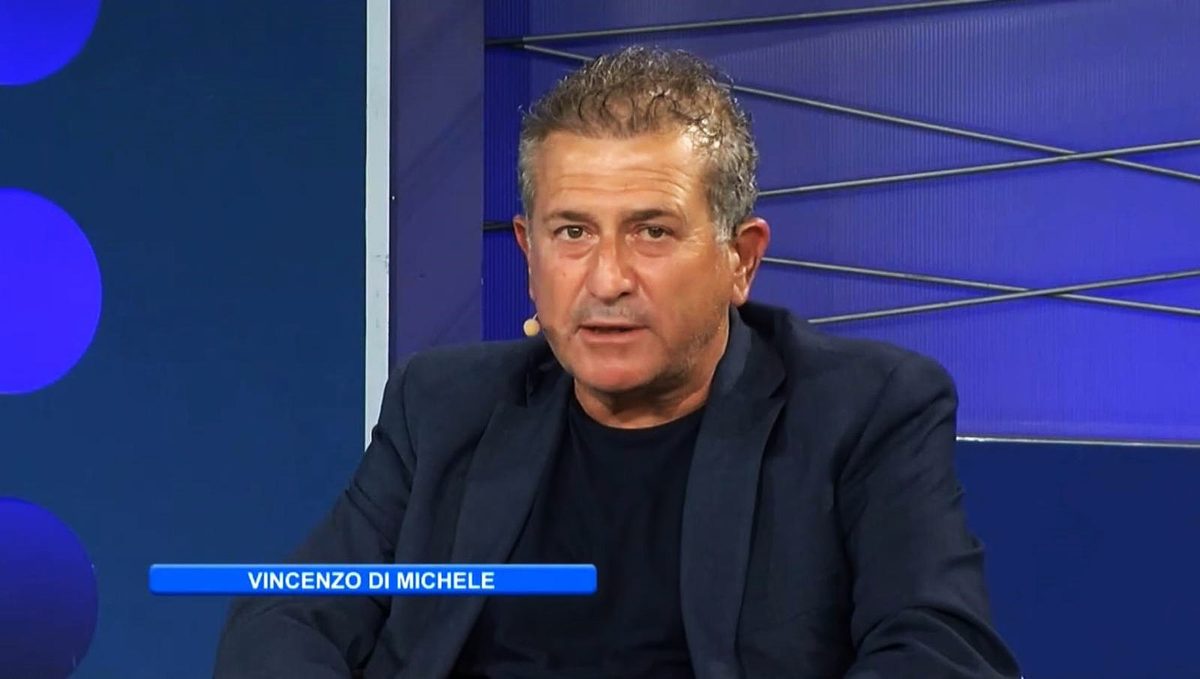
Conosco Vincenzo Di Michele da anni. Ho letto e recensito molte delle sue opere, spesso dedicate alla memoria storica, alle verità taciute della guerra, ai reduci che hanno attraversato la storia con la stessa dignità silenziosa dei grandi protagonisti.
Di Michele è uno scrittore che ha sempre saputo ascoltare. Ascoltare i documenti, le testimonianze, le voci che rischiavano di perdersi. Tuttavia con il suo primo romanzo compie qualcosa di diverso, di nuovo, di sorprendente: entra nella vita vera di una donna e la racconta con una delicatezza che non avevo ancora visto così pienamente nella sua scrittura.
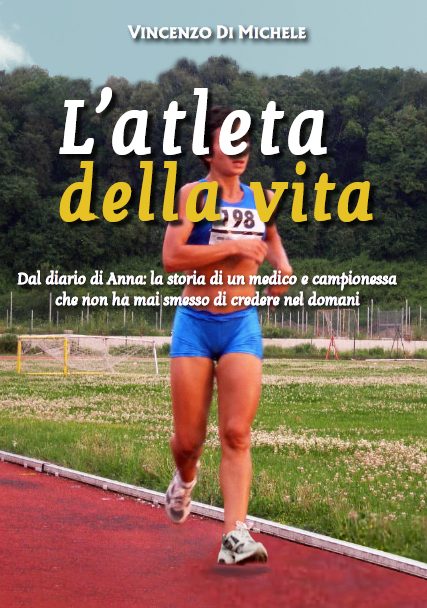
Ci sono libri che non si limitano a raccontare una storia, invece la custodiscono. L'atleta della vita, il romanzo di Vincenzo Di Michele, appartiene a questa categoria rara. È un'opera che nasce da un diario reale, da una voce che ha attraversato la vita con intensità, disciplina, amore e dolore. Una voce che l'autore ha saputo ascoltare e trasformare in un racconto limpido, rispettoso, profondamente umano.
Anna — questo il nome scelto per tutelarne la privacy — non è solo la protagonista del romanzo, è una presenza che rimane. Una donna che ha vissuto intensamente, in ogni ruolo che la vita le ha affidato: atleta di livello internazionale, medico appassionato, madre e moglie, professionista rigorosa, anima luminosa di una famiglia che la amava profondamente. E poi paziente oncologica. E poi testimone. E infine voce. Di Michele non la racconta come un personaggio, la accompagna, quasi con pudore. Chi conosce l'autore sa quanto la sua prosa sia abituata a muoversi tra archivi, documenti, ricostruzioni storiche. Qui invece la parola si fa più intima, più raccolta, più rispettosa. C'è la volontà di custodire una vita e di offrirla agli altri come un dono.
Di Michele, autore noto per i suoi saggi storici dedicati alle vicende di guerra, ai reduci, alle verità nascoste del Novecento, compie qui un passaggio decisivo, di grande significato anche sul piano della qualità letteraria. Passa, infatti, dalla storia collettiva alla storia intima di una persona. E lo fa con una scrittura che sorprende per misura, delicatezza e profondità emotiva. Non c'è retorica, non c'è compiacimento nel dolore. C'è invece la volontà di accompagnare il lettore dentro un percorso che riguarda tutti, perché tutti, in un modo o nell'altro, abbiamo incrociato in qualche modo il tornante del cancro nel mondo delle nostre amicizie e talvolta direttamente.
L'atleta della vita è un libro che va letto con calma, distillato parola per parola, frase per frase, per coglierne l'essenza progressiva della storia ma anche il bagaglio di emozioni che reca con sé. Inoltre, c'è l'insegnamento profondo di una donna che, colpita dal tumore al seno, da medico lo studia, lo propone come esempio di "terapia" aggiuntiva a quella farmacologica, quali per lei sono lo sport, la meditazione spirituale, l'intensità della relazione in famiglia (con il marito, medico anch'egli e docente universitario, con i due figli).
La storia narrata non è una biografia, ma un cammino. Non una sequenza di date, ma un respiro. Anna, la protagonista, inizia ad annotare nel suo diario dal novembre 2024, perché non sa quale evoluzione avrà la sua malattia fino al congresso medico del marzo 2025. Scrive perché teme che le emozioni possano impedirle di parlare. Scrive perché la malattia, che lei non vuole esibire, le chiede invece di essere raccontata per diventare testimonianza, per essere un'esperienza d'aiuto verso tutte le donne che si trovino a vivere la medesima condizione.
Il capitolo del congresso medico è uno dei più intensi dell'intero libro. Anna sale sul palco, ferma, asciutta, illuminata da luci che sembrano crude. Stringe il microfono con una mano sola, prende fiato e pronuncia due parole che attraversano la sala come un'onda:
«Sono piena di metastasi in tutte le parti del mio corpo.»
Non c'è enfasi, non c'è dramma: c'è verità. Una verità detta con una lucidità che immobilizza la platea. Medici, studenti, fisioterapisti, pazienti, tutti si ritrovano uniti da un silenzio che non è assenza di suono, ma presenza di ascolto. In quel momento, Anna non è solo una paziente, è un medico che parla ai medici, un'atleta che parla agli atleti, una donna che parla alla vita. E lo fa con la sincerità, richiamando l'importanza terapeutica di continuare a vivere le proprie passioni, nel suo caso lo sport, la professione medica anche durante il Covid, la vita spirituale, il mondo delle relazioni di amicizia e familiari. Una "terapia integrativa" personale, utile a contenere all'essenziale le necessarie cure farmacologiche.
La narrazione segue Anna nel suo percorso: la paura iniziale, la disciplina dello sport che diventa terapia, il sostegno delle terapie integrate, la volontà di mantenere autonomia, lucidità, equilibrio psicofisico. La sua storia non è mai raccontata come una battaglia — Di Michele evita con cura la retorica bellica — ma come un cammino. Un cammino fatto di scelte, di consapevolezza, di amore per l'esistenza. Accanto alla malattia, il libro restituisce la vita nella sua quotidianità, nel suo divenire: la Basilicata dell'infanzia, la campagna, gli animali, la transumanza; la corsa che nasce come gioco e diventa vocazione; gli allenatori che preparano e guidano Anna, le gare, le medaglie, la disciplina; Roma, l'università, la medicina, il lavoro; la famiglia, i figli, gli affetti che la accompagnano fino all'ultimo.
Di Michele riesce a dare voce a questa complessità con una scrittura che alterna momenti di intensa partecipazione emotiva a pagine di grande sobrietà. Il lettore avverte la presenza dell'autore, ma mai in modo invadente. È infatti un narratore che osserva, ascolta, restituisce. Un narratore che conosce bene il valore della memoria e sa che raccontare significa anche proteggere.
L'atleta della vita è un romanzo che parla al lettore con delicatezza, ma anche con forza. Una storia di vita che invita a guardare la malattia senza paura, senza vergogna, senza silenzi. Una storia vera che ricorda che la vita, anche quando si ferma, continua a lasciare tracce luminose. Anna, attraverso la sua diretta esperienza nella malattia, affida un forte messaggio di speranza e di valori da vivere, quali sono quelli per lei importanti, compresa la sua fede cristiana vissuta in autenticità.
Con quest'opera Vincenzo Di Michele aggiunge alla sua produzione un libro diverso, più intimo, più civile, più universale. Una testimonianza che può essere d'aiuto a chi direttamente affronta il cancro, ma anche a chi accompagna, a chi sostiene, a chi ama. Una storia che non si dimentica, perché non parla di morte, ma sa parlare di vita. Di una vita che sa sempre resistere e lasciare così una testimonianza utile e luminosa.
L'Autore
Vincenzo Di Michele, romano ma di origini abruzzesi, è giornalista e scrittore con una lunga esperienza nella ricostruzione di vicende storiche del Novecento. Laureato in Scienze Politiche alla Sapienza, ha firmato numerosi volumi che spaziano dalla memoria bellica alla storia sociale, fino alle biografie, tra cui Io prigioniero in Russia (2009, oltre 55.000 copie vendute), Mussolini finto prigioniero al Gran Sasso (2011), Pino Wilson, vero capitano d'altri tempi (2013), L'ultimo segreto di Mussolini (2015), Cefalonia. Io e la mia storia (2017), e da ultimo Majorana, il prezzo del genio (2026).
L'atleta della vita — Vincenzo Di Michele (Edizioni Vincenzo Di Michele, Roma 2026, € 12 – ebook € 4,90). Per richiedere copia per recensione: info@vincenzodimichele.it — www.vincenzodimichele.it
Goffredo Palmerini
Collaboratore
I have known Vincenzo Di Michele for years. I have read and reviewed many of his works, often devoted to historical memory, to the untold truths of war, to veterans who lived through history with the same silent dignity as its great protagonists.
Di Michele is a writer who has always known how to listen — to documents, testimonies, voices at risk of being lost. Yet with his first novel he does something different, new, surprising: he steps into the real life of a woman and tells it with a delicacy I had not yet seen so fully in his writing.
There are books that do not merely tell a story, but safeguard it. L'atleta della vita (The Athlete of Life), the novel by Vincenzo Di Michele, belongs to this rare category. It is a work born from a real diary, from a voice that moved through life with intensity, discipline, love and pain — a voice the author knew how to listen to and transform into a clear, respectful, deeply human account.
Anna — the name chosen to protect her privacy — is not just the novel's protagonist, but a presence that lingers. A woman who lived intensely in every role life gave her: an international-level athlete, a passionate doctor, a mother and wife, a rigorous professional, the luminous soul of a family that loved her deeply. And then a cancer patient. And then a witness. And finally, a voice. Di Michele does not narrate her as a character — he accompanies her, almost with reticence. Those who know the author know how accustomed his prose is to moving through archives, documents, historical reconstructions. Here, instead, the language becomes more intimate, more measured, more respectful. There is a will to safeguard a life and offer it to others as a gift.
Di Michele, known for his historical essays on wartime events, veterans, and the hidden truths of the twentieth century, makes here a decisive shift, significant also on a literary level. He moves, in fact, from collective history to the intimate history of one person — and he does so with writing that surprises in its restraint, delicacy and emotional depth. There is no rhetoric, no indulgence in suffering. There is instead a will to accompany the reader through a journey that concerns everyone, because all of us, in one way or another, have crossed paths with cancer among our friendships, and sometimes directly.
L'atleta della vita is a book to be read slowly, distilled word by word, sentence by sentence, to grasp both the story's gradual essence and the weight of emotion it carries. There is also the profound teaching of a woman who, struck by breast cancer, studies it as a doctor and offers it as an example of "therapy" alongside pharmacological treatment — for her, this meant sport, spiritual meditation, and the intensity of family relationships (with her husband, also a doctor and university professor, and with their two children).
The story told is not a biography, but a path. Not a sequence of dates, but a breath. Anna, the protagonist, begins keeping her diary in November 2024, not knowing how her illness will progress until the medical congress of March 2025. She writes because she fears her emotions might keep her from speaking. She writes because the illness — which she does not wish to put on display — asks instead to be told, to become testimony, to be an experience of help for all the women who find themselves living the same condition.
The chapter on the medical congress is one of the most intense in the entire book. Anna takes the stage, steady, composed, lit by lights that seem harsh. She grips the microphone with one hand, takes a breath, and speaks two words that move through the room like a wave:
"I am full of metastases in every part of my body."
There is no emphasis, no drama — there is truth. A truth spoken with a clarity that stills the room. Doctors, students, physiotherapists, patients — all find themselves united by a silence that is not the absence of sound, but the presence of listening. In that moment, Anna is not only a patient — she is a doctor speaking to doctors, an athlete speaking to athletes, a woman speaking to life. And she does so with sincerity, recalling the therapeutic importance of continuing to live one's passions — in her case, sport, her medical profession even through Covid, spiritual life, and the world of friendship and family. A personal "integrative therapy," useful in keeping the necessary pharmacological treatment to what is essential.
The narrative follows Anna along her path: the initial fear, the discipline of sport that becomes therapy, the support of integrated treatments, the will to maintain autonomy, clarity, psychophysical balance. Her story is never told as a battle — Di Michele carefully avoids the rhetoric of war — but as a journey. A journey made of choices, of awareness, of love for existence. Alongside the illness, the book gives back life in its everyday unfolding: the Basilicata of her childhood, the countryside, the animals, the transhumance; running that begins as play and becomes a calling; the coaches who train and guide Anna, the races, the medals, the discipline; Rome, university, medicine, work; the family, the children, the loved ones who accompany her to the very end.
Di Michele manages to give voice to this complexity with writing that alternates moments of intense emotional engagement with pages of great restraint. The reader senses the author's presence, but never in an intrusive way. He is, in fact, a narrator who observes, listens, and gives back — one who understands well the value of memory and knows that to tell a story is also to protect it.
L'atleta della vita is a novel that speaks to the reader with delicacy, but also with strength. A true story that invites us to look at illness without fear, without shame, without silence. A true story that reminds us that life, even when it stops, continues to leave luminous traces. Through her direct experience of illness, Anna entrusts us with a strong message of hope and of the values that mattered to her — including a Christian faith lived with authenticity.
With this work, Vincenzo Di Michele adds to his body of work a different book — more intimate, more civic, more universal. A testimony that can help those directly facing cancer, but also those who accompany, support and love them. A story that is not forgotten, because it does not speak of death, but knows how to speak of life — a life that always knows how to endure, leaving behind a useful and luminous testimony.
About the Author
Vincenzo Di Michele, born in Rome to Abruzzese roots, is a journalist and writer with long experience reconstructing 20th-century historical events. A political science graduate from La Sapienza, he has written numerous books ranging from wartime memory to social history and biography, including Io prigioniero in Russia (2009, over 55,000 copies sold), Mussolini finto prigioniero al Gran Sasso (2011), Pino Wilson, vero capitano d'altri tempi (2013), L'ultimo segreto di Mussolini (2015), Cefalonia. Io e la mia storia (2017), and most recently Majorana, il prezzo del genio (2026).
L'atleta della vita — Vincenzo Di Michele (Edizioni Vincenzo Di Michele, Rome 2026, €12 – ebook €4.90). To request a review copy: info@vincenzodimichele.it — www.vincenzodimichele.it
Goffredo Palmerini
Contributor